
What is a Solar System?
A solar system connects your home’s solar panels directly to the New Zealand power grid, with no batteries. During the day, your home uses the solar energy generated on your roof first. This immediately reduces how much electricity you need to buy from your retailer.
If your panels produce more power than you’re using, the excess is exported back to the grid — and you receive credits from your power company. When the sun goes down or your usage is higher than your solar production, your home automatically draws power from the grid.
Because there’s no battery storage, a grid-tied system does not provide backup power during an outage. It’s designed purely for maximum bill savings, fast payback, and simple, low-maintenance solar for Kiwi homes.
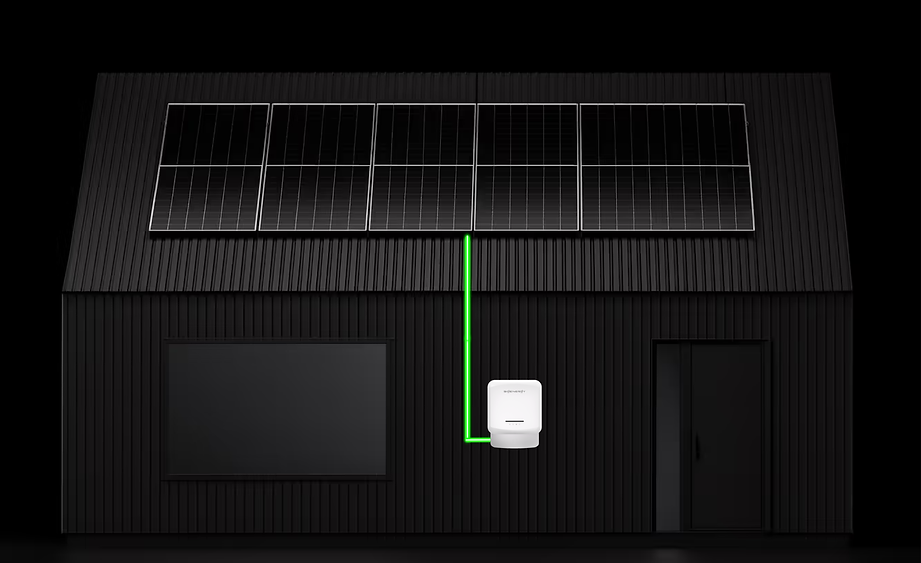)-3.png)
What Makes Up a Grid-Tied Solar System?
A grid-tied solar system is made up of a few key components that work together to turn sunlight into usable electricity for your home:
1. Solar Panels
These sit on your roof and capture sunlight, converting it into DC (direct current) electricity. High-efficiency panels provide more power from the same roof area.
2. Solar Inverter
The inverter is the “brain” of the system. It converts the DC electricity from the panels into AC (alternating current) — the type of power your home and appliances use. In grid-tied systems, this inverter also manages exporting excess energy back to the grid.
3. Mounting & Racking System
Rails, brackets, and clamps securely attach the solar panels to your roof. In NZ, these are engineered to withstand high wind zones and meet AS/NZS solar installation standards.
4. DC & AC Cabling
Special solar-rated cables move power safely from the panels to the inverter, and then from the inverter to your switchboard.
5. Switchboard Connection
Your solar system connects into your home’s main switchboard, allowing the solar power to supply your home first before pulling anything from the grid.
6. Export Meter (Installed by Your Power Company)
Once your solar is installed, your electricity retailer installs a bidirectional meter. This measures how much power you import from the grid and how much you export, so you can earn credits for excess solar.